
Insane Hydraulics
Bold and audacious blog about fluid power
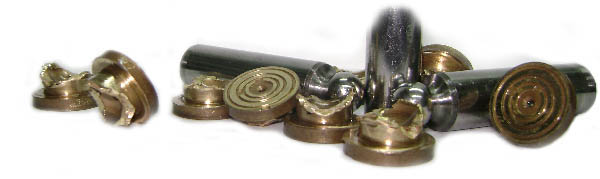


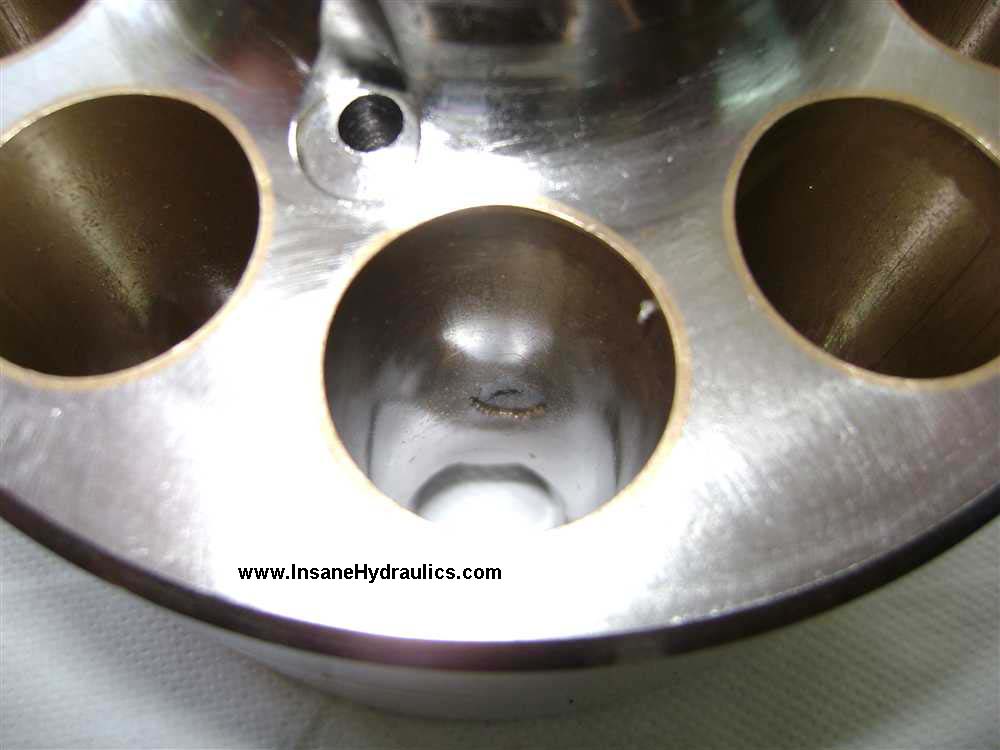
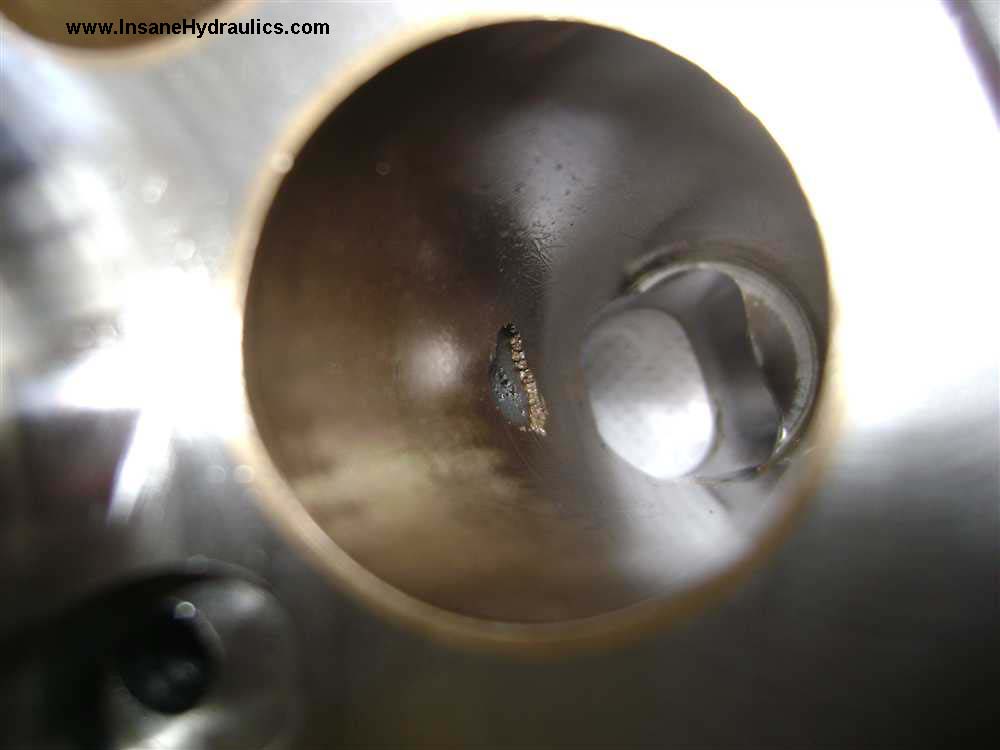
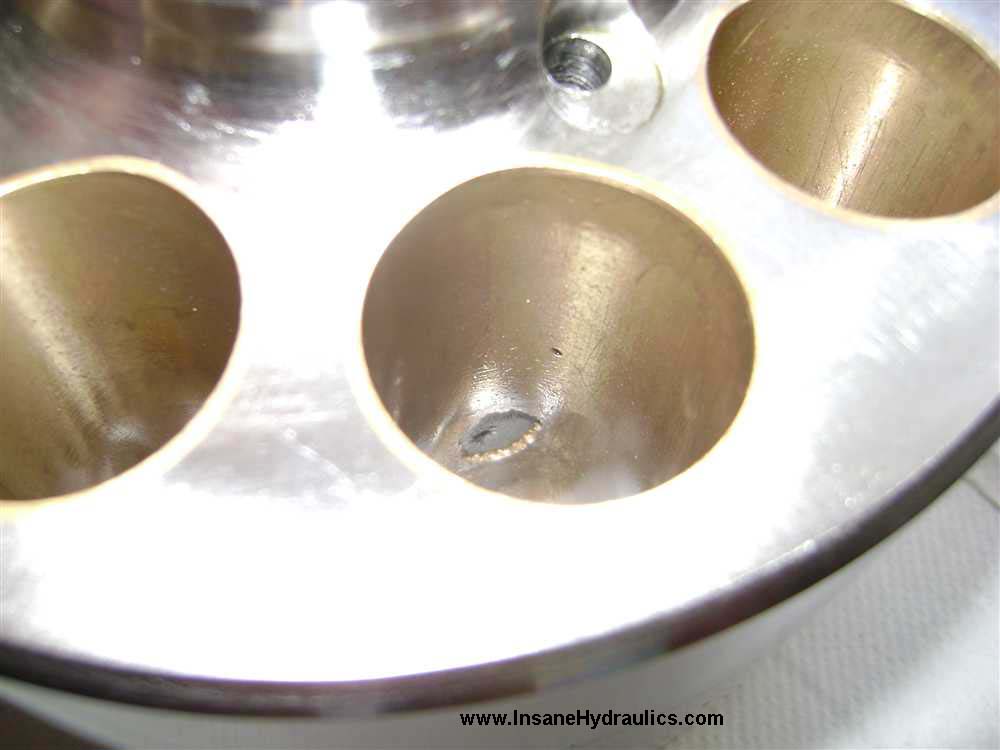
Correct evaluation of parts condition is an important stage of overhauling process. This is the stage when you define which components can be re-used and which should be replaced. However, not all types of wear are evident and easily detectable, making it possible for some to skip detection and lead to a premature failure.
These pictures are a good example of what I refer to as "sneaky damage". These parts don't present any apparent abnormal wear at first glance, but under a closer inspection reveal damage beyond repair. Take this cylinder block from a Komatsu open circuit pump (PC-340 excavator). Upon inspecting the swashplate, pistons, the valve plate and the sealing surface of the block, you will find nothing but normal minor wear, which may trick you into assuming that with a little bit of lapping the pump will be good for an extra five to ten thousand hours... But if you take a flashlight and peek inside the bores, you will see that there are chunks of material missing in every single bore due to cavitation erosion, which renders the part completely unserviceable.
On a side note, check out the unequal pitch of the pressure ports. This is the patented Komatsu's noise reduction solution. According to Komatsuneers, it disperses the noise frequency phase making the noise less harsh. I am not sure that it makes that much of a difference, but suppose it can't hurt...
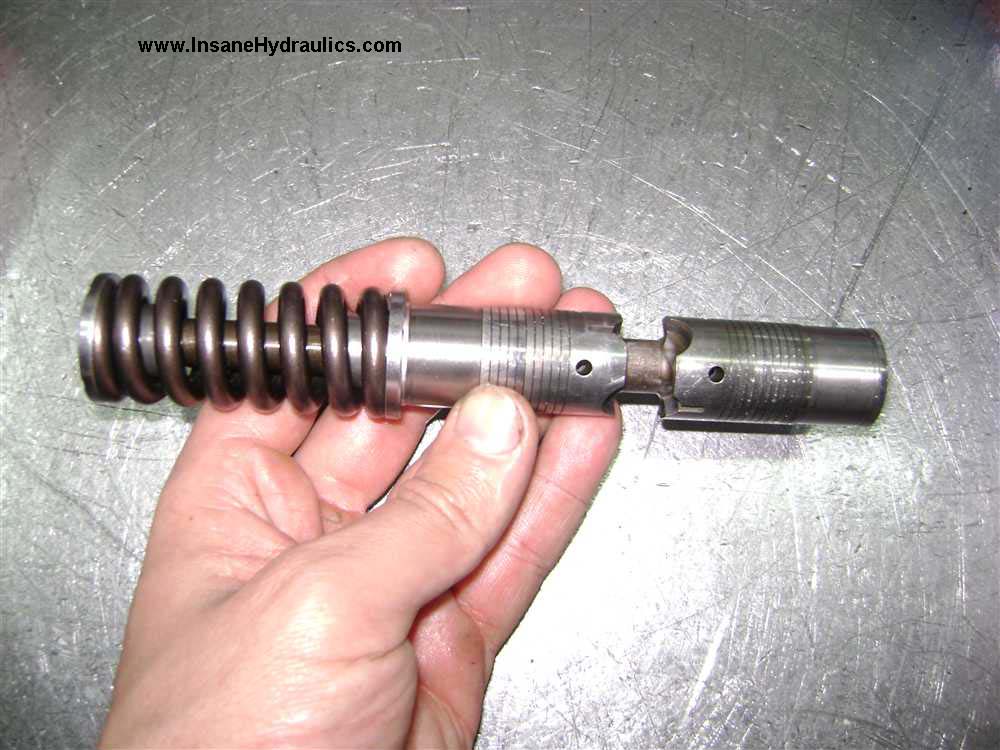
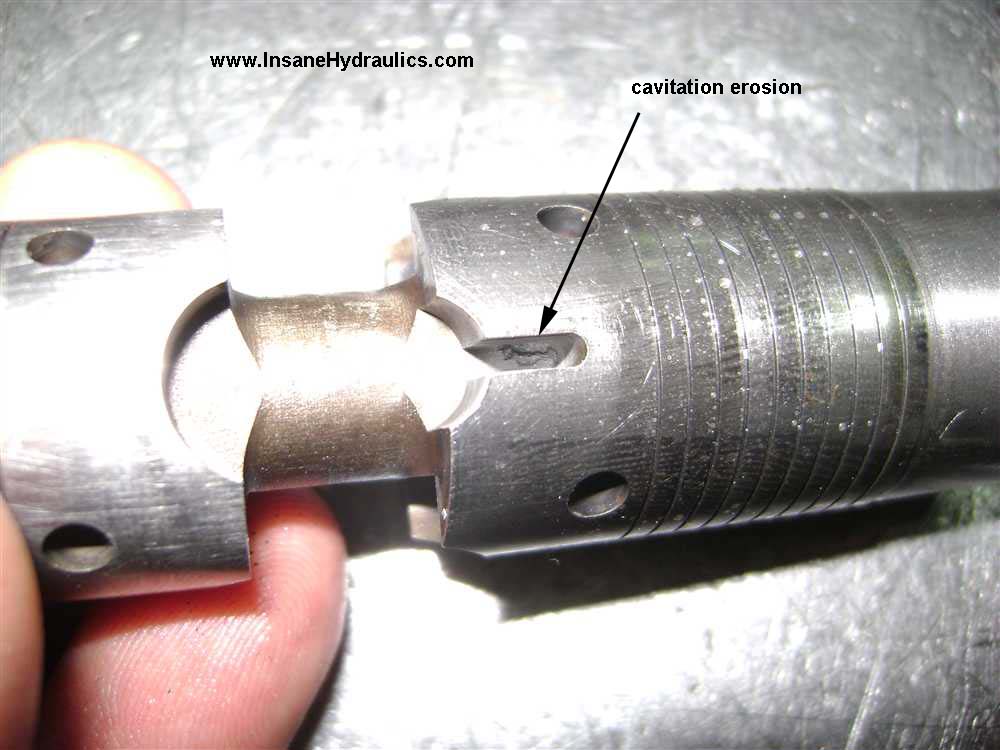
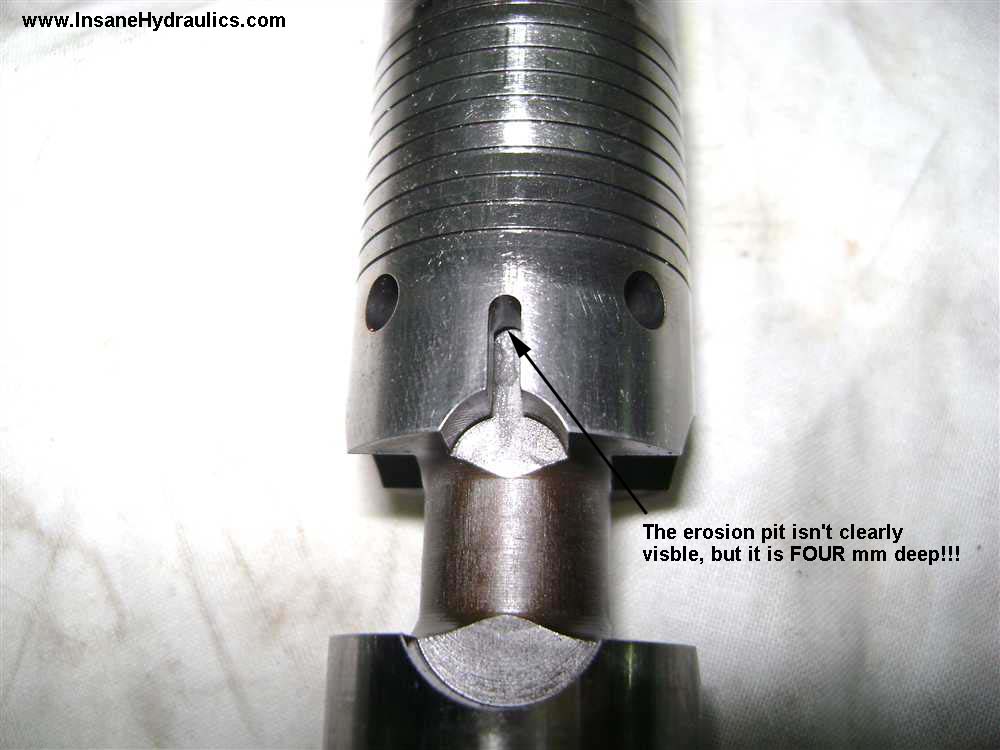
This spool is from a motion control valve attached to a propel motor of a small excavator. If you look real hard you'll eventually find a narrow but very deep (around 4 mm!) pit "scooped out" by cavitation erosion. The spool appears to be in a good condition, but the complete valve should be replaced to guarantee problem-free operation.
It is in human nature to assume things, and this is why it is not uncommon for a mechanic, after finding most parts in good condition, to assume that the rest of the parts of an assembly are in good condition too. In 95 percent of cases this assumption will be true, leaving the five percent for nasty making-you-look-stupid surprises.
Some types of wear or damage, which is especially the case with cavitation erosion, can be concealed and require additional attention to be found. That is why it is important to carefully evaluate every part of an assembly, without jumping into rushed assumptions and taking the parts condition for granted.