
Insane Hydraulics
Bold and audacious blog about fluid power
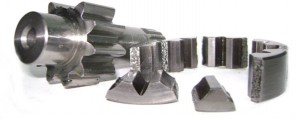
Like every other hydraulic shop, we test and adjust stuff all the time. When I say "test," I mean - cleverly connect components to pressure and/or flow sources to see what happens. The magic word is "connect" - i.e. - reliably and safely interface with whatever it is that we are testing. Naturally, ported components rarely present an interfacing challenge because of... well... the fact that they have ports blessed with (mostly) standard threads. Face-sealing components, on the other hand, always require base plates for connecting, and while plates or manifolds with standard industrial interfaces (e.g. CETOP) are easy to come by, specialized face-sealing components (over-center valves, pump controls, etc) mandate fabrication of a custom interfacing solution pretty much every time.
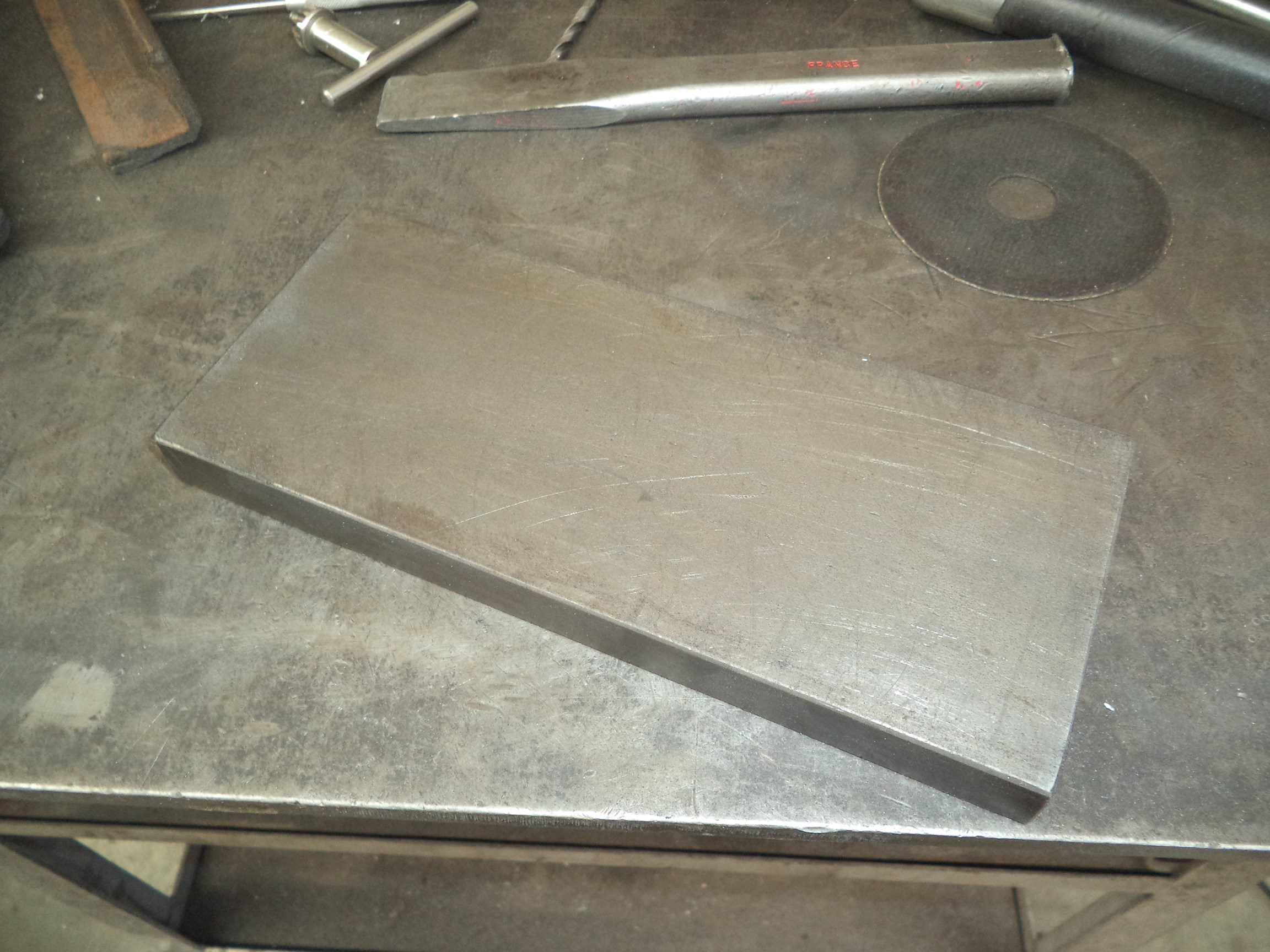
This is why I always keep cuts of thick mild steel flat bar handy - the decent out-of-the-box finish of the faces makes them perfect for making custom base plates:
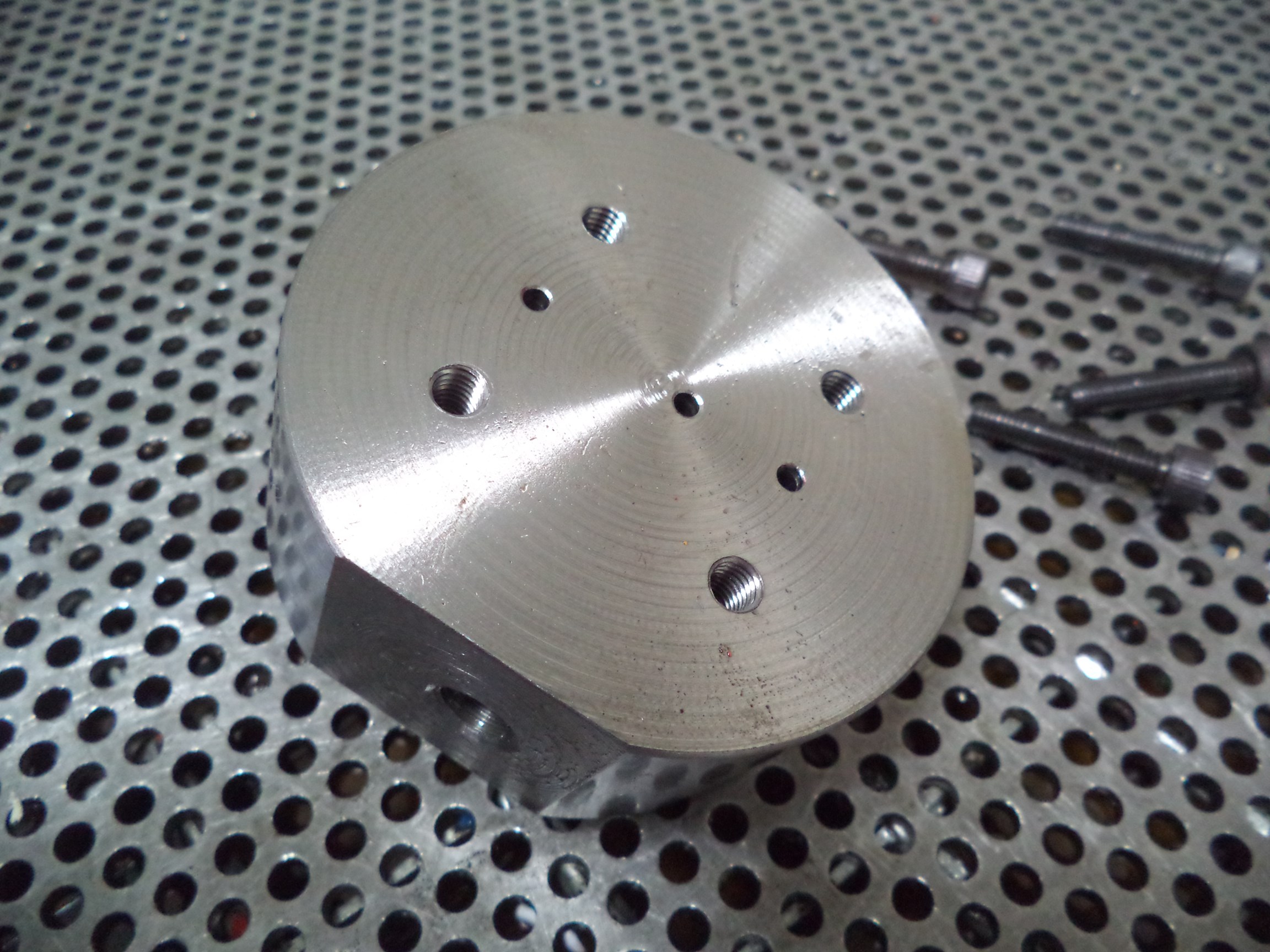
When a component carries o-ring grooves or employs a sealing gasket, fabrication of a base plate is super easy - all you need is something with a flat surface in which you can drill out some holes and tap some threads for the bolts and the fittings. This is a manifold I made from a piece of cylinder rod to test A10VO DFR controls:
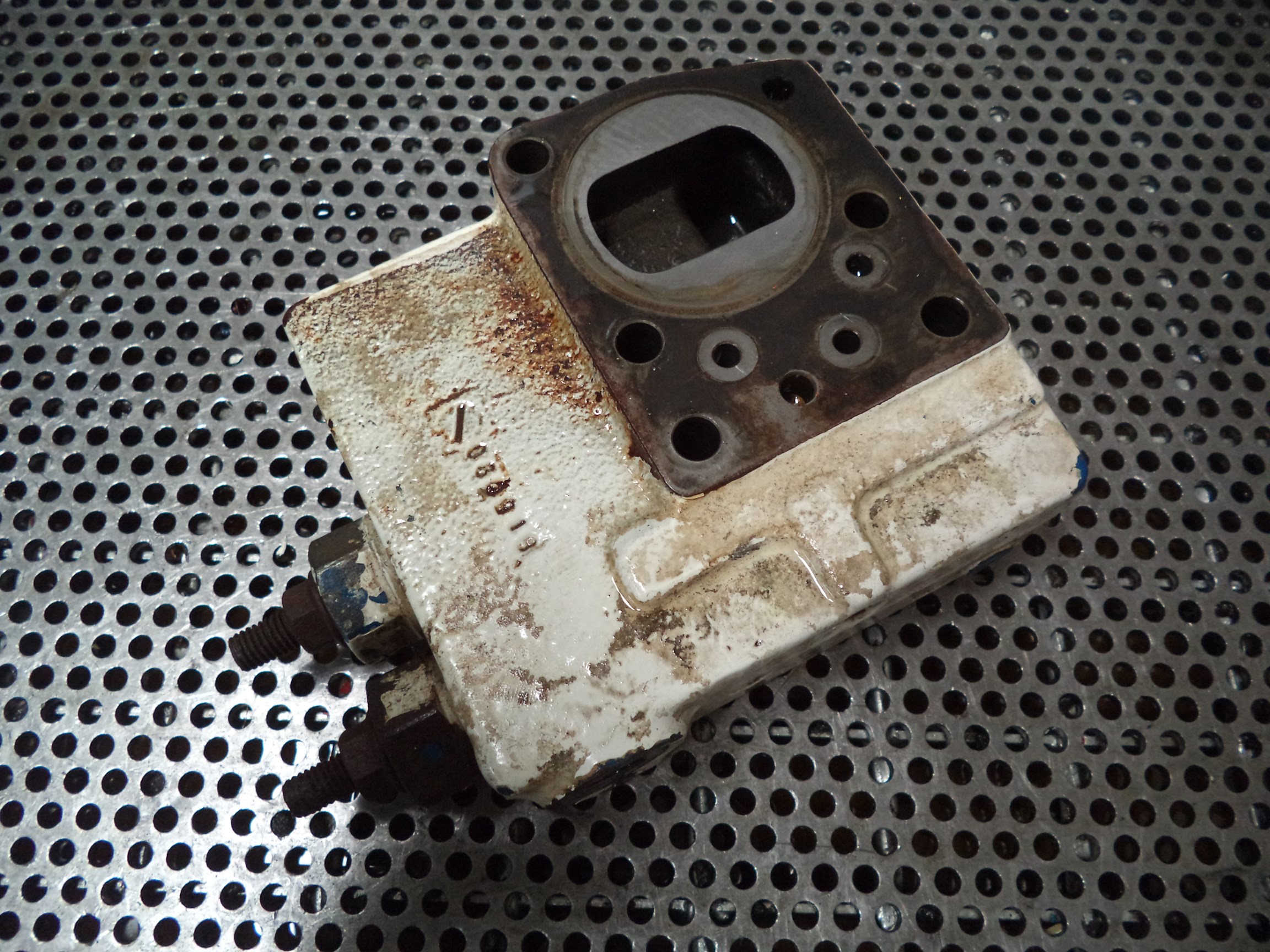
But when the sealing face of a component is flat, fabrication of a base plate will require "additional machining prowess" for carving out the required o-ring grooves. Take, for example, this DRS control from an A11VLO145 pump - a simple flat bar with threaded holes won't do for this one!

Most of you already know my opinion about in-house machining equipment - if a hydraulic shop does not have at least a lathe and a drill press, it's not a "real" hydraulic shop. Of course, when you have a lathe and a chuck with four independent jaws - you already can make pretty decent o-ring grooves with a narrow cutting tool - and that's what I've been doing so far, but today I want to show you another method that I tried this week and got very pleased with the results - cutting face-sealing o-ring grooves with a DIY high-speed milling attachment for a lathe:


I must confess that I love machining and working with metals in general. So, when you hear me say something like "...Dang it! Now I'll have to waste an entire morning making the base plate just to test this bloody thing!.." - know that I am actually ecstatic on the inside because I just got a valid excuse to work on our lathe. And the hack I am about to show is something that I've been wanting to try for a long time - ever since I picked this little beauty up at Lidl some months ago:


This is a hand-held 700W 34000 rpm router with a perfectly round aluminum alloy "nose" - which, when I saw it, immediately translated in my head into "This would make a nice toolpost attachment for the lathe! How much is it? Fifty euros? You got yourself a deal, Mr Lidl!" - and so I got it and stored it away under my desk until the day I had to test the DRS control and I said to myself - "Well... I'll be cutting the grooves anyway, so this is as good a moment as any" - and decided to finally see how the super-economic wood mill would fare against mild steel.
Since the front part of this router is made out of aluminum alloy and is perfectly cylindrical, coming up with a way of attaching it to the toolpost was super easy:
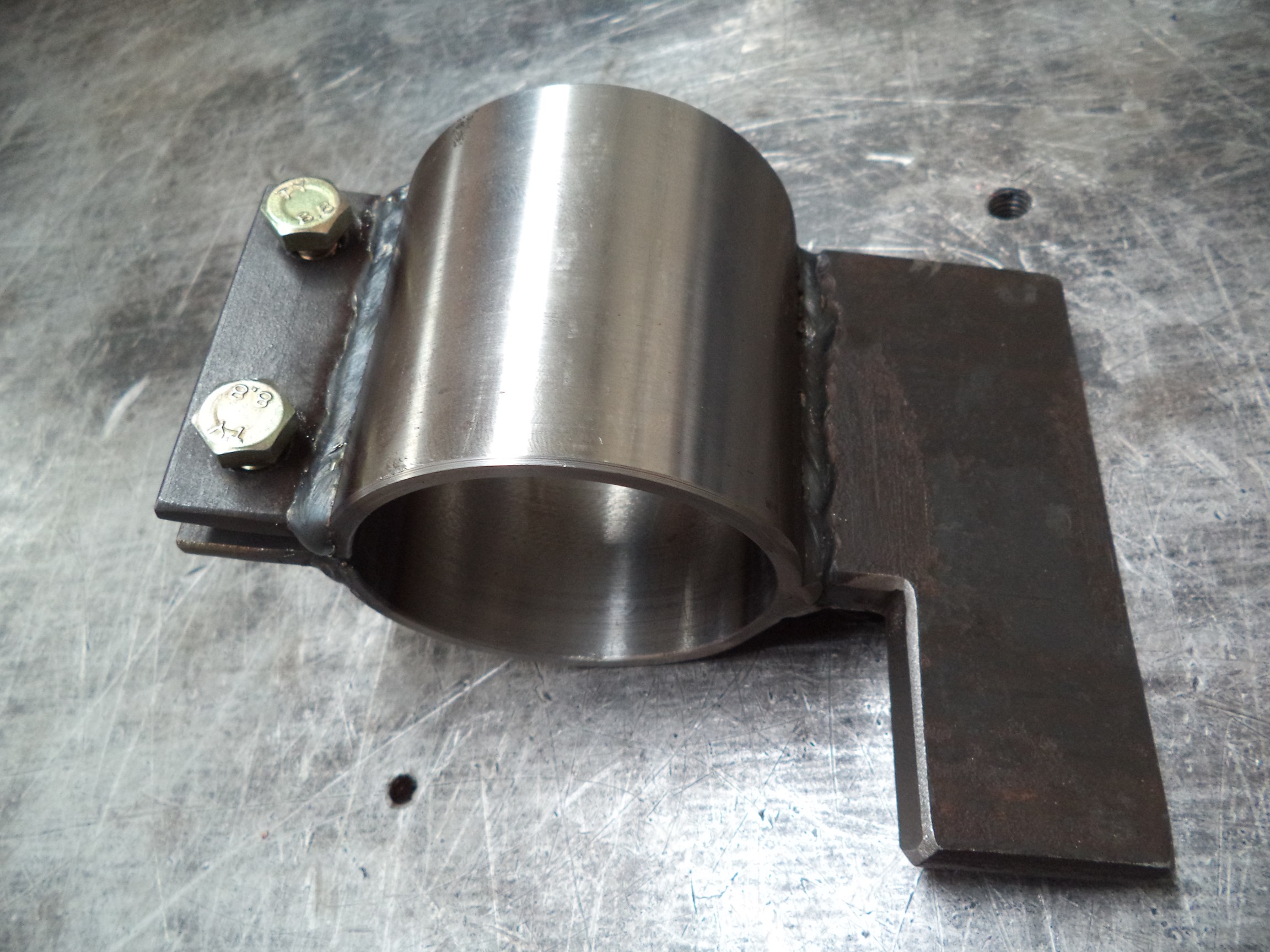
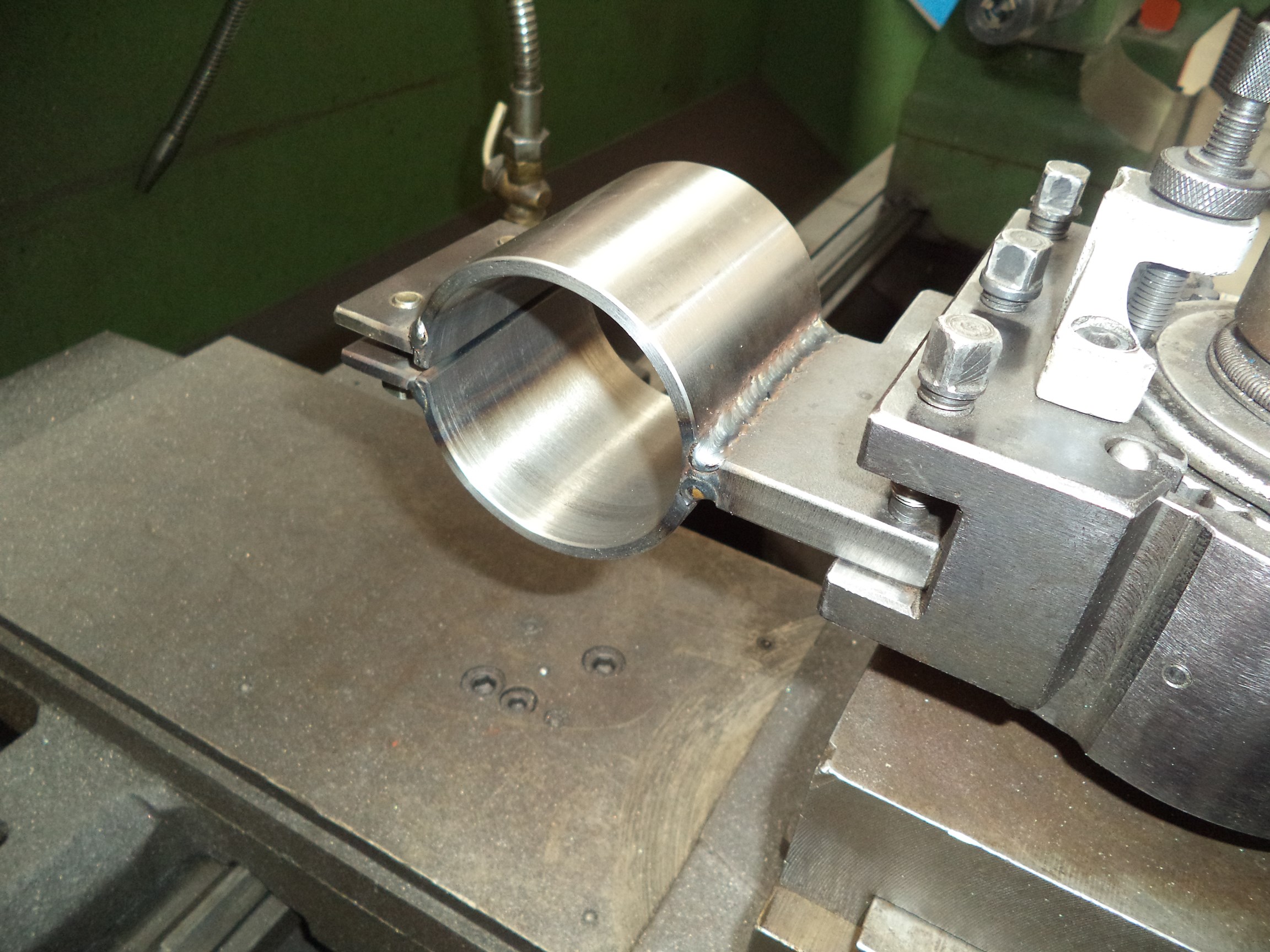
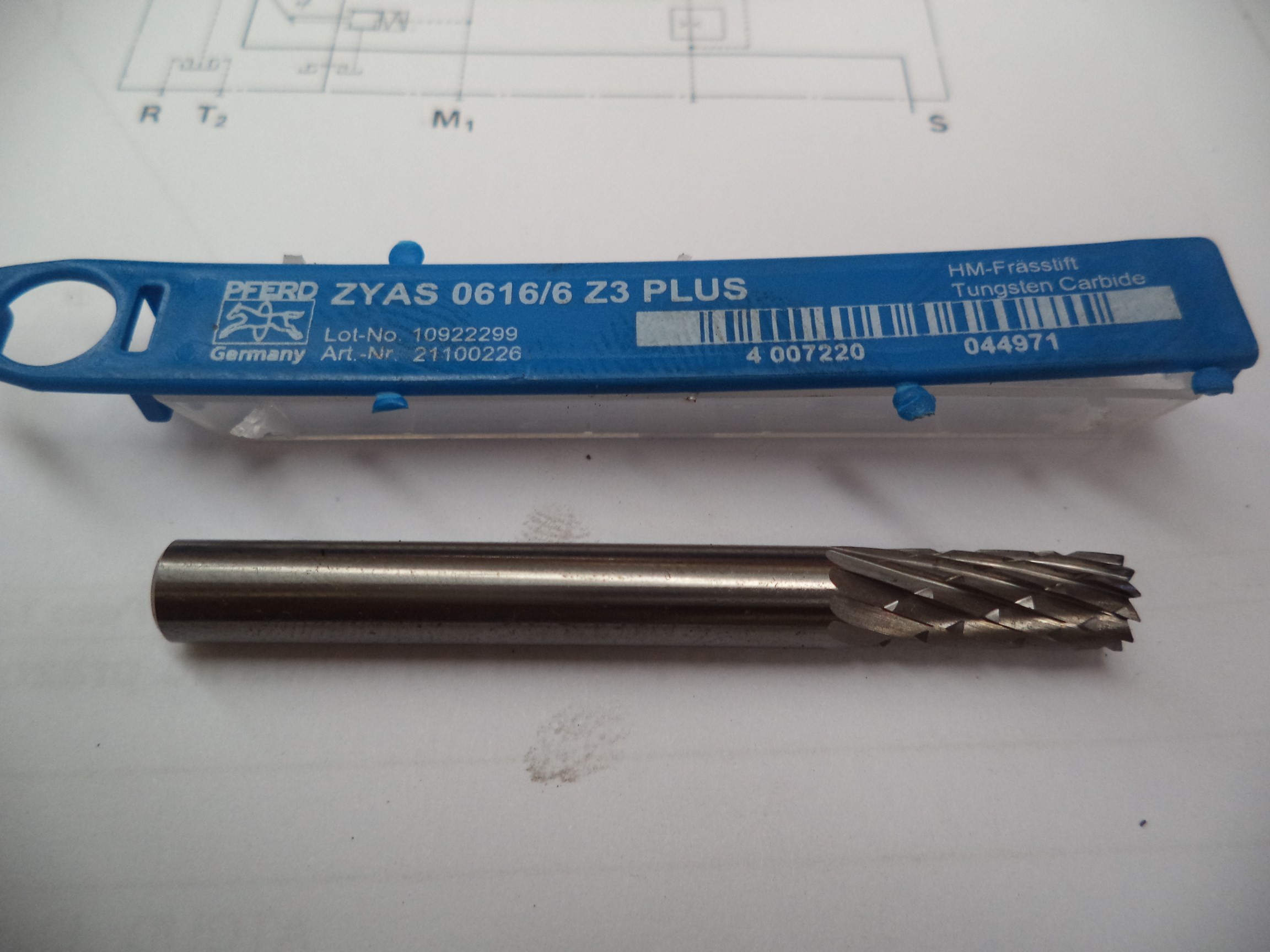
For the cutter, I chose this high-quality 6-mm tungsten carbide bit from Pferd Tools:
And then I hacked off a slice from the 120x20 flat bar I showed you earlier, marked the holes, put it in the 4-jaw chuck, and cut all the required grooves with the router:


I had the lathe set to its lowest speed - 22 rpm, and the router to max speed (supposedly above 30000 rpm), and I was able to feed about 0.1-0.2 mm per pass without the router losing speed. I must say that it was extremely easy, and the milled surfaces turned out very clean:


I did the larger groove (external diameter of 55mm) with the mill, too, and I did it with the same chuck speed - 22 rpm, which means the linear milling speed for the larger groove was much higher in comparison to the smaller grooves (11mm in diameter) - and yet the cheap router didn't complain at all. You can kind of see that the surface finish is slightly rougher in the large groove, but it is totally acceptable. I also like how little wear (if any) the bit end presented after this operation:
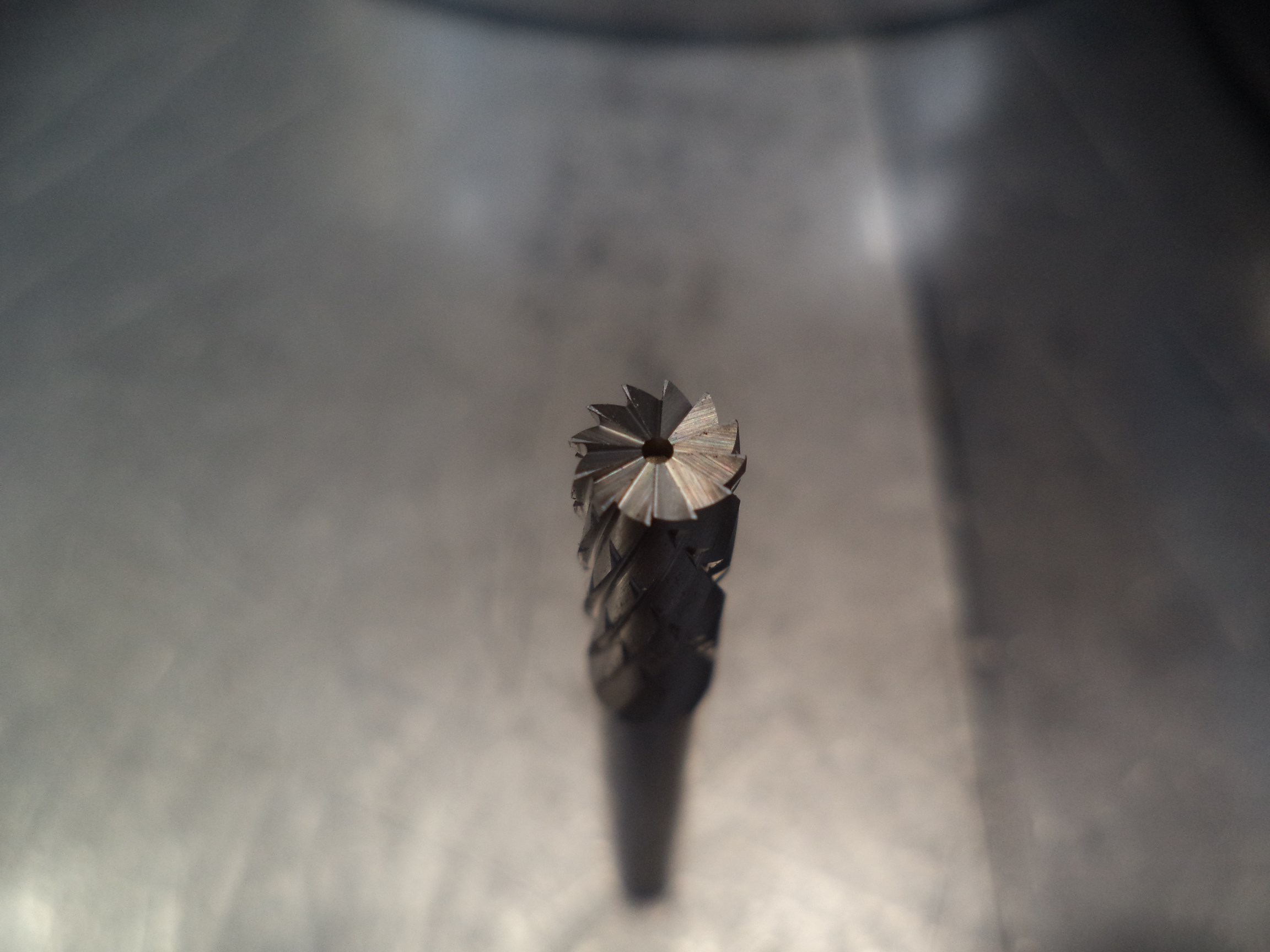
Now, how does the high-rpm milling method compare to the "normal lathing?" The thing with the classic turning is - if you want a good finish on a small diameter cut - you need high rpm, but when your work is eccentric and especially when it's heavy (or bulky), there's a limit to how far you can safely push your chuck speed, which is why, in my opinion, the milling method for carving the face groves is far superior to "normal lathing" - and I intend to be giving it preference from now on.