
Insane Hydraulics
Bold and audacious blog about fluid power
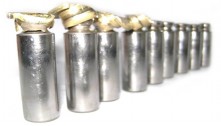
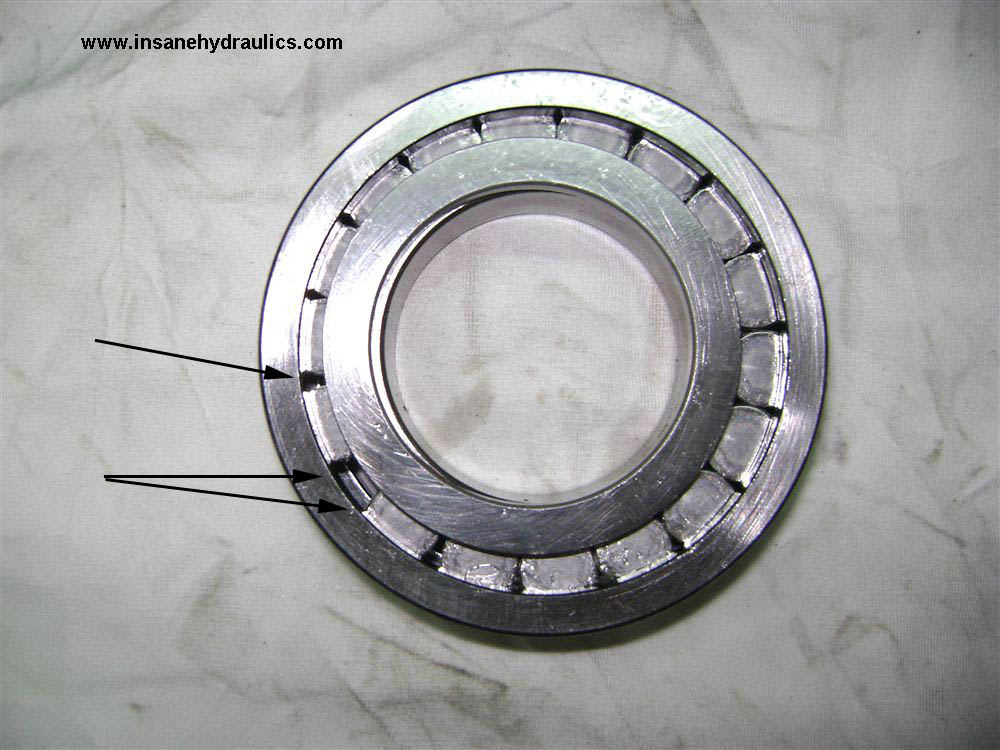
Full-complement (cageless) roller bearings, used in many hydraulic pumps for shaft bearings (Rexroth A4VG series for one), are extremely robust and assure failure-free operation for many thousand hours, which is probably why some mechanics and machine owners think that these bearings should never be replaced, because replacing such bearings is a waste of money, since they are way too tuff and easily outlive the rest of the pump. This is nonsense, and here is why.
Indeed, full-complement bearings are super-heavy-duty due to the fact that the load is distributed on a higher (compared to the caged design) amount of rollers, but let us not forget that hydraulic pump bearing failure most of the time is caused by oil contamination, which, in its place, more often than not has its origin in the warn-out internal components - the very ones our bearing is supposed to "outlive"!
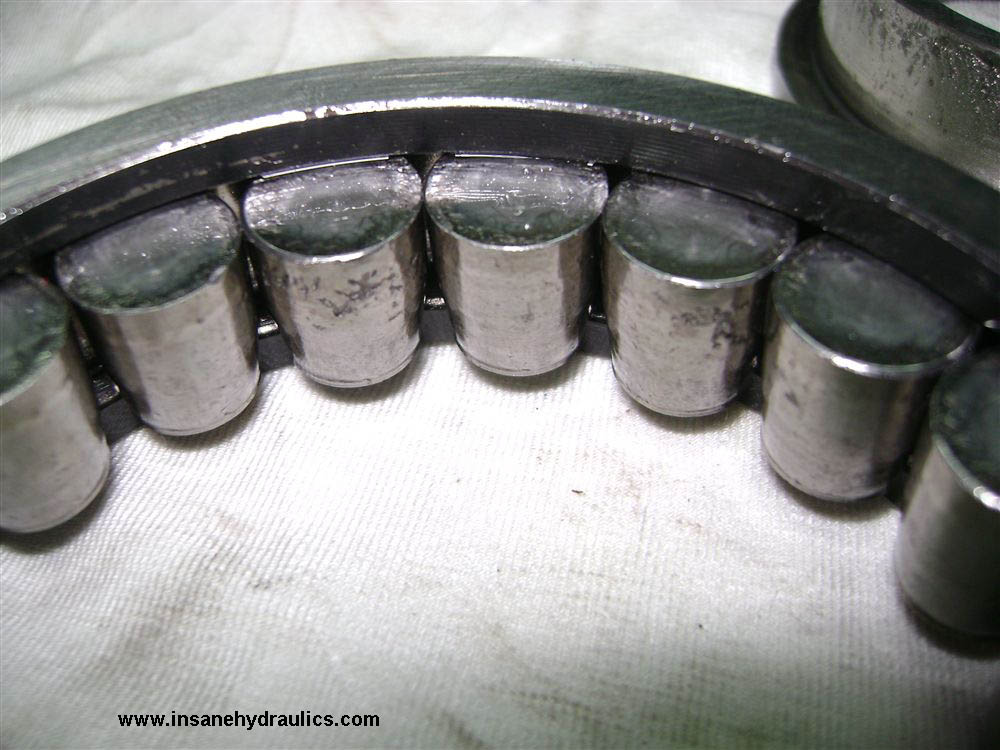
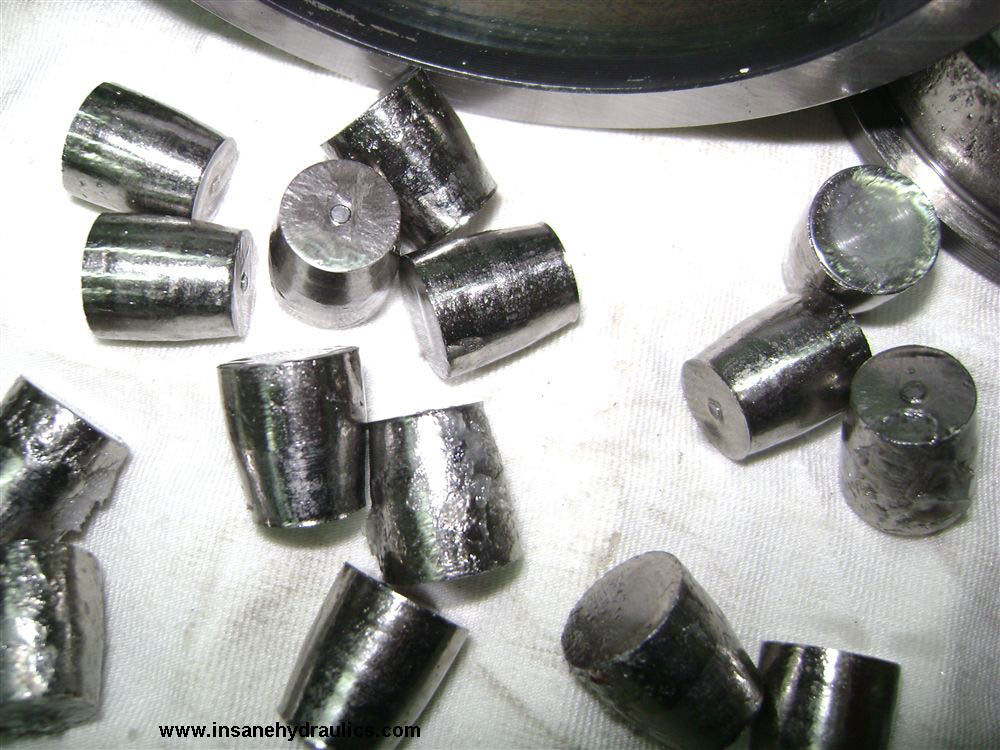
Such a bearing can indeed outlive its "host" pump - but it can only do it once - and since a pump can get "many lives" through its "career", cageless bearings must be disassembled and inspected very carefully every time a pump equipped with one gets overhauled. If any signs (even minor) of pitting are present the bearing MUST be replaced. Damage to the internal pump components, caused by a "simple bearing failure" can be quite painful!
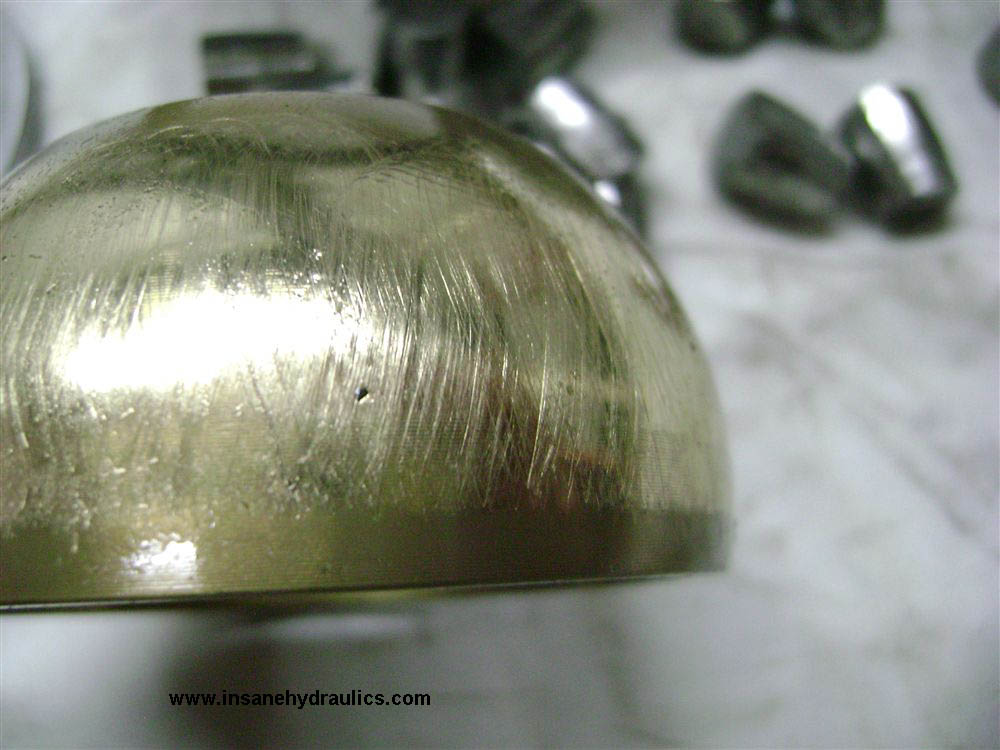
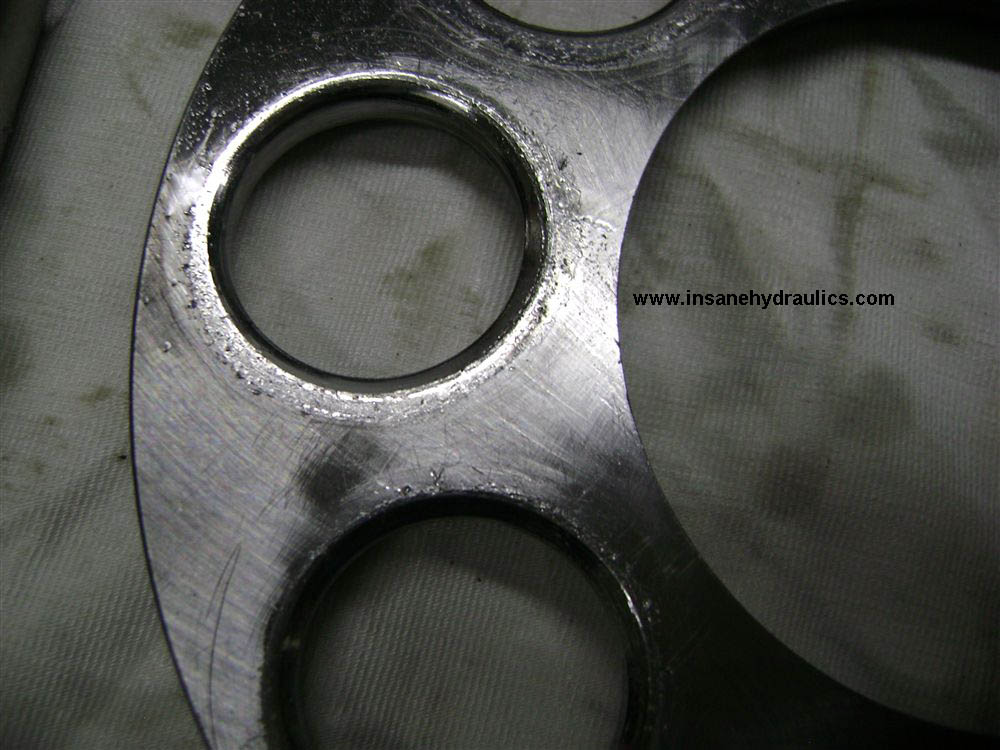
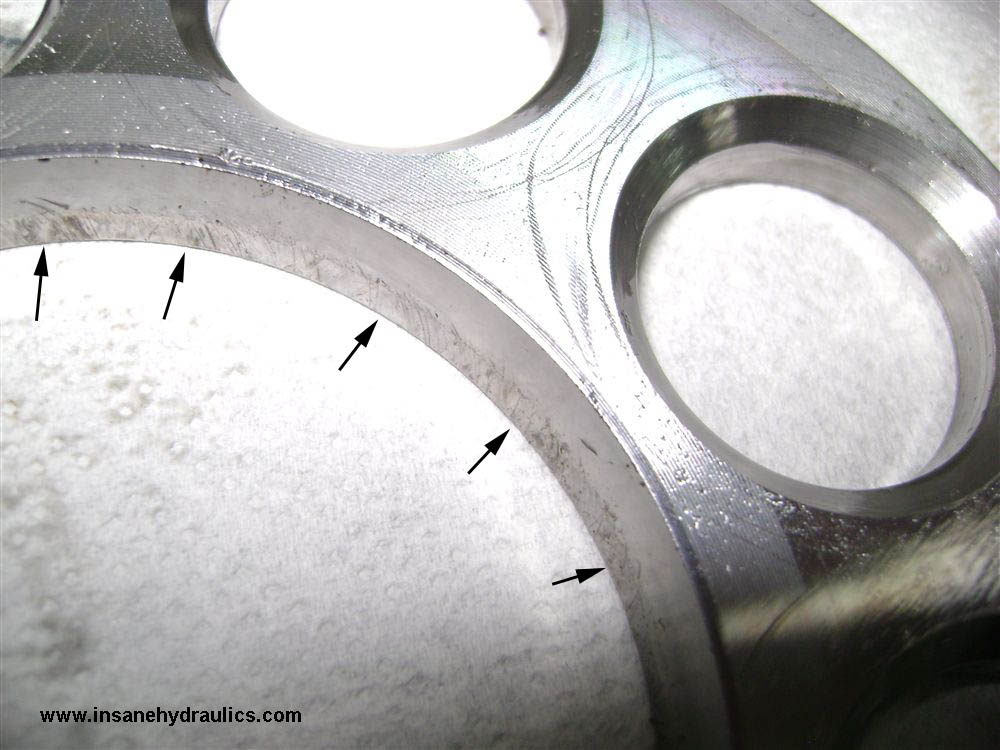
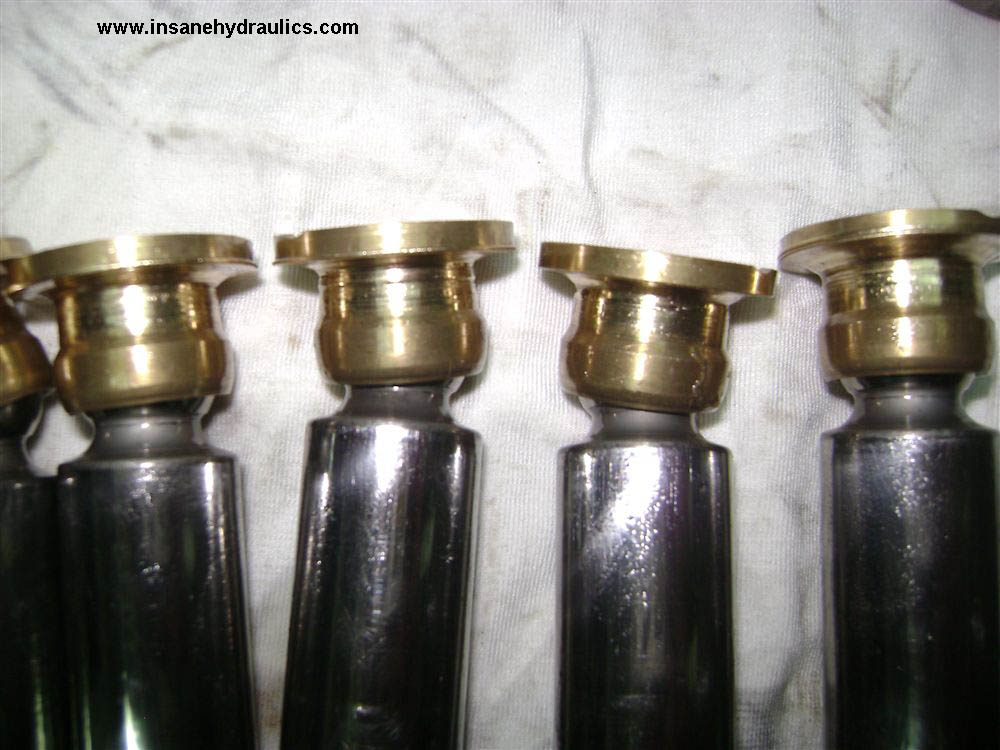
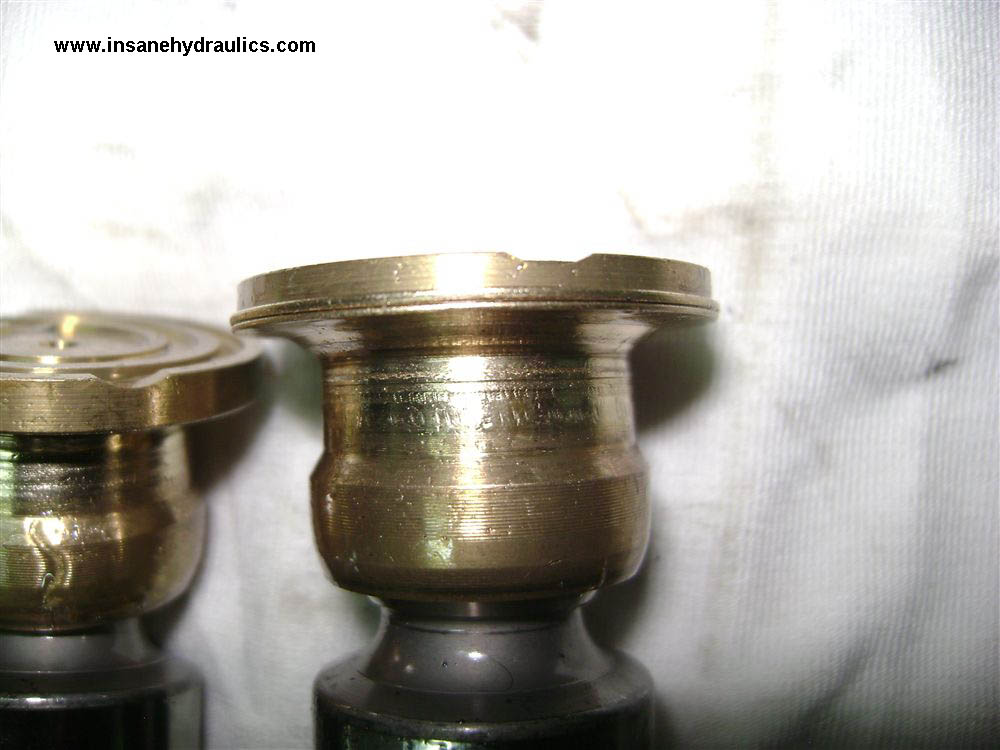
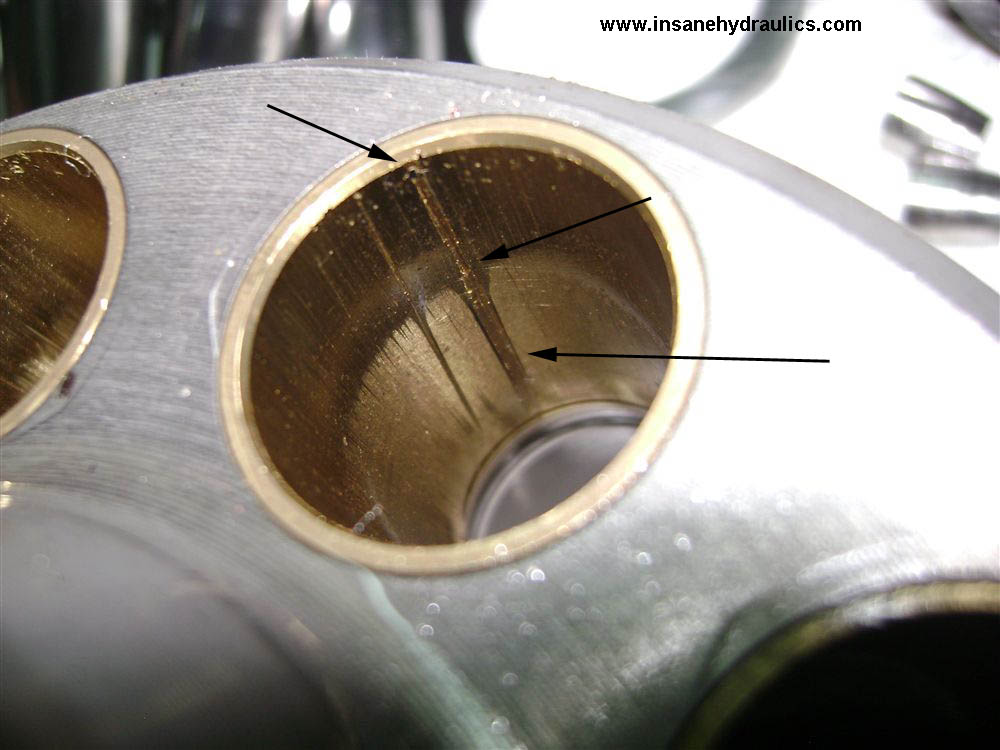
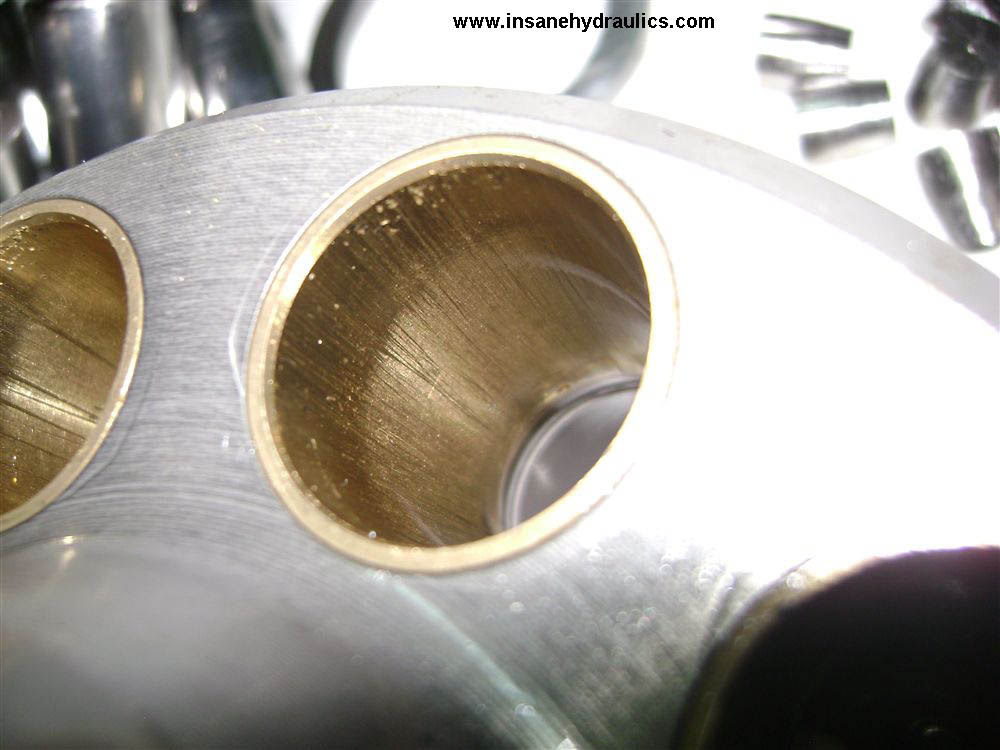
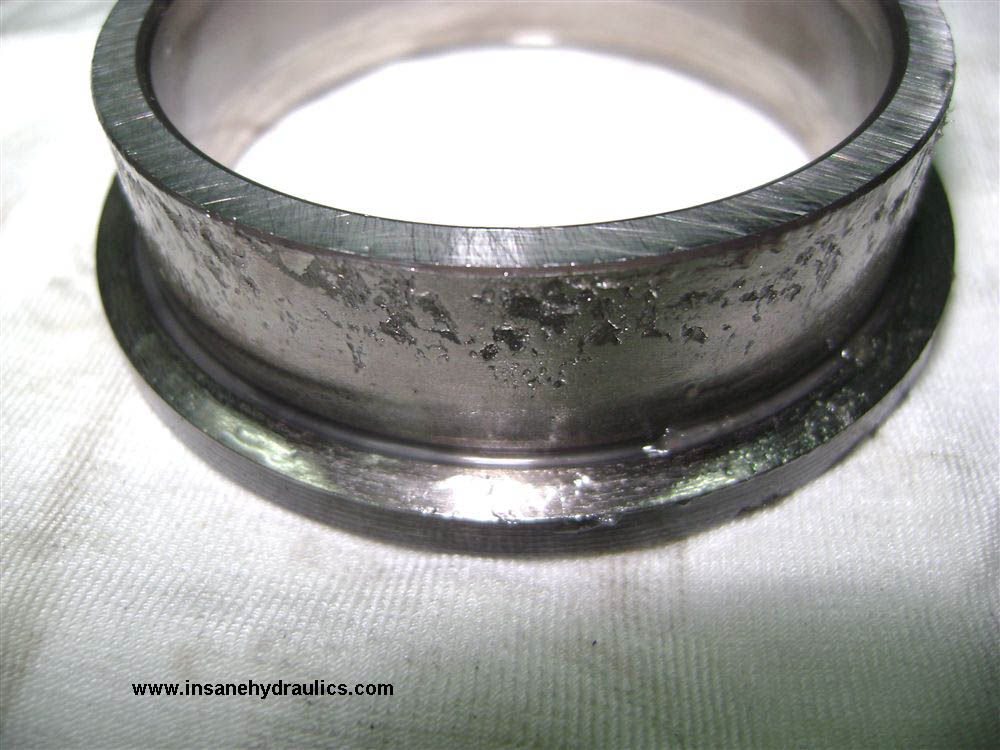
Take a look at these parts from a Rexroth A4VG closed-loop pump. During a routine filter replacement, fine bronze particles were found in one of the filters. Despite the machine showing no signs of performance loss, the owner opted for disassembling the transmission to evaluate the condition of the pump and the motor. Upon inspecting the pump components, some serious abrasive wear was discovered, especially noticeable on bronze parts. The ball guide was scored, the retainer plate was scored, the piston slippers were ground down to half of their normal height, and the cylinder block bores were severely scratched by particles caught in the clearance gap between the piston and the sleeve.
All the damage suggested one thing - case oil contamination with hard particles. And where do you think these hard particles originated from? That's right - from the shaft bearing! The pump had hardly done a thousand hours since the last major overhaul. Want to take a wild guess about what was the only part that hadn't been replaced?
So, cageless roller bearings are robust, yes, they do last long, yes, but they are nothing but bearings, therefore should be treated as such - on the "must inspect and replace when even minor signs of wear are present" basis.